

A functioning septic tank is one of those quiet systems that keeps a household humming along without fuss. Solids collect at the bottom while liquids flow out to the drain field and gentle care keeps those parts working together.
Timing for pumping is shaped by a handful of factors that vary from home to home and month to month. Below you will find clear guidance on signs to watch for and steps to set a sensible schedule.
How Septic Systems Work
A septic tank separates solids from liquids and gives bacteria time to break down organic matter inside the tank. Solids settle into a sludge layer while oils and grease rise to form a scum layer that floats on top of the wastewater.
The relatively clear liquid in the middle flows out into a drain field where soil filters and treats effluent. Understanding the flow and layers makes it easier to see why solids removed on a regular basis keep the whole system happy.
Signs Your Tank Needs Pumping
Slow drains across multiple fixtures can point to a tank that is filling up and losing capacity. A strong sewage odor in the yard or inside the home often signals that something has gone wrong with containment or venting.
Lush green patches over the drain field even when surrounding grass looks dry suggest effluent is surfacing and feeding the soil. Frequent toilet backups are a red flag that should prompt checking the tank sooner rather than later.
When problems seem unclear or hard to diagnose, many homeowners find it reassuring to call Brisbane septic tank professionals for advice and timely service.
How Often To Schedule Pumping
Most households should plan on pumping every three to five years for a conventional system with typical use and a small to medium sized family. Larger homes or those with extensive use of water intensive appliances might need service more frequently than that.
Tanks that receive waste from garbage disposals often need attention on the shorter side of the schedule because more solids enter the system. A regular inspection creates a record and helps tailor the interval to each property.
Household Size And Usage
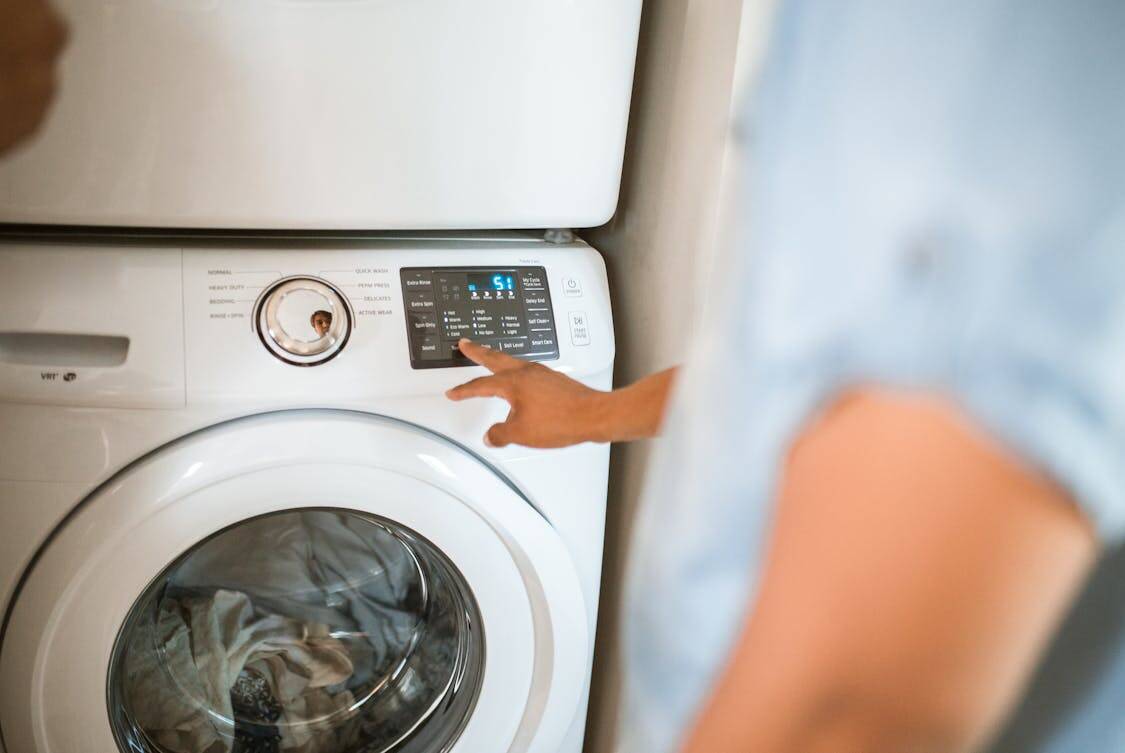 More people in a home generate more wastewater and solids which wear on the tank faster than light use. Heavy laundry days and frequent long showers add steady loads that push up how quickly sludge accumulates.
A single extra household member can shorten the safe interval by a year or two in some setups. Think of it like foot traffic on a path the more traffic the sooner repair or maintenance becomes necessary.
Tank Size And Type
Larger tanks provide extra room for solids to settle and for bacteria to do their job so they often need pumping less often than small tanks. Two compartment tanks or models with built in settling features help keep solids out of the outlet and protect the drain field better than simple single chamber units.
Material matters too because older or damaged tanks can leak or fail and might require more frequent checks. If your tank is undersized for current use then paying attention to pump timing will save trouble down the road.
Soil And Drain Field Factors
Soil type controls how well the drain field absorbs and treats effluent and poor percolation raises the risk of backups and surface pooling. Sandy soils tend to drain quickly while clay rich soils hold water and slow filtration which places more demand on the tank.
A drain field that receives excessive solids will clog near the pipes and shorten the system lifespan. Yard slope and groundwater level also play a role in how quickly field issues show up so local conditions matter.
Common Mistakes To Avoid
Flushing items that do not break down forces solids to build up faster and can wreak havoc on the system over time. Overloading the system with back to back high volume water use such as running multiple loads of laundry in one day increases the chance that solids will be carried into the drain field.
Planting trees near the tank or field invites roots to infiltrate pipes and create slow drain headaches. Ignoring small signs like a minor slow drain can turn a cheap fix into a pricey repair later on.
Preventive Steps To Extend Time Between Pumps
Reduce flow spikes by spacing laundry loads and staggering bath times so the tank has time to settle between heavy inputs. Avoid using a garbage disposal if you can since it sends more solids to the tank and shortens the time between services.
Use enzyme based septic treatments sparingly and only products meant for septic systems to support bacteria that break down waste. A stitch in time saves nine applies here because a few good habits can keep the system running longer without emergency calls.
Costs And What To Expect
Pumping costs vary with location tank size and local labor rates and will often fall into a few hundred dollars for a standard job in many areas. Larger tanks or difficult to access lids and risers raise the total and some companies charge extra for hauling or disposal.
An inspection fee might be separate and is worth paying when you want a clear report on tank condition and scum and sludge depths. Asking for a written estimate that lists the tasks and disposal approach helps avoid surprises on the final bill.
Choosing A Professional Service
Look for a licensed septic contractor who can provide references a clear price and proof of proper disposal methods for the pumped material. A trustworthy provider will give a written receipt and a basic report that notes scum and sludge depth and any signs of damage.
Ask whether the company will locate and open the tank safely and whether they offer routine inspection packages to keep a record. Trust your instincts and pick someone who answers questions plainly and does not rush the job.
What Happens During Pumping
The technician locates the tank inspects for obvious damage and then opens access ports to remove the scum and sludge layers with a vacuum truck. They measure scum and sludge depths to offer a recommendation on when the next pump should occur and to document the tank condition.
After suction the tank is often rinsed and the lid replaced with secure seals left in place for safety and odor control. Proper pumping is quick but thorough and leaves the system ready to do its job for the interval ahead.