

Silver sits at the crossroads of money and industrial use, and it has kept a steady role in wealth preservation for a long time. Recent moves in supply and demand have pushed more people to ask whether silver belongs in their stack of assets.
The metal blends tangible value with function, creating a case that few other raw materials offer in one package. Here are clear reasons why placing some capital into silver could make sense for a range of investor profiles.
Market Fundamentals and Supply Dynamics
Global mine output for silver is limited and the rate of new discoveries is slow, so supply tends to tighten when demand rises, which can lift price action. Recycling supplies cushion the market, yet recycling flows shift with price and consumer behavior, adding variability for traders and holders alike.
Industrial use and investment habits place different kinds of pressure on the same physical pool, creating moments when demand outstrips available metal. Investors watching supply metrics and mine pipeline news gain an edge by spotting early signs of imbalance that often precede price moves.
Industrial Demand and Technological Uses
Silver plays a key part in electronics, solar panels and medical devices given its high conductivity and anti microbial traits, which support steady industrial takeup. As renewable energy projects expand and electronics proliferate, the fabric of industrial demand for silver continues to grow, sometimes in fits and starts but with long term direction.
When factories and labs call for more metal, the market must draw from either existing inventories or new production, and that tug can raise premiums for holders of physical silver. For those who like assets with practical use beyond mere store of value, silver links metal demand and modern tech needs in a tangible way.
Monetary Role and Hedge Potential
People have used silver for coinage and savings for centuries, and many still view it as a refuge when paper money loses appeal due to inflationary forces or loss of trust.
Silver can act as a hedge by behaving differently from stocks and bonds during stress, and that separate movement can soften swings in a mixed portfolio. Silver investors buy bullion during periods of inflation to maintain value when fiat currencies face pressure.
Central bank policies and fiat currency trends influence purchasing power, and holding metal gives a simple, direct claim on a scarce resource. The mental comfort of tangible metal in a safe or vault is not trivial for those who prefer something physical over electronic balances.
Portfolio Diversification Benefits
Adding silver to a mix of equities and fixed income lowers concentration risk because its correlation with stocks is imperfect and can drift over time. When markets wobble, a slice of metal often cushions volatility by moving in alternate directions at critical moments.
The presence of silver in a balanced allocation can smooth returns and offer optionality during periods of market stress or rapid price shifts. Investors seeking to spread risk without exotic instruments find silver familiar and straightforward to buy, hold and sell.
Liquidity and Market Access
Silver markets are deep and offer many ways to transact, from coins and bars to exchange traded products and futures contracts, which suit different risk appetites and timelines. Physical silver can be bought in small increments so new buyers do not need large capital outlays to start building a position.
On the flip side, traded instruments let professionals and active traders express views with leverage and short term focus, while collectors and long term holders prefer touchable metal. This range of access methods ensures that almost any investor can find an approach that fits timing, storage and cost preferences.
Affordability Compared to Gold
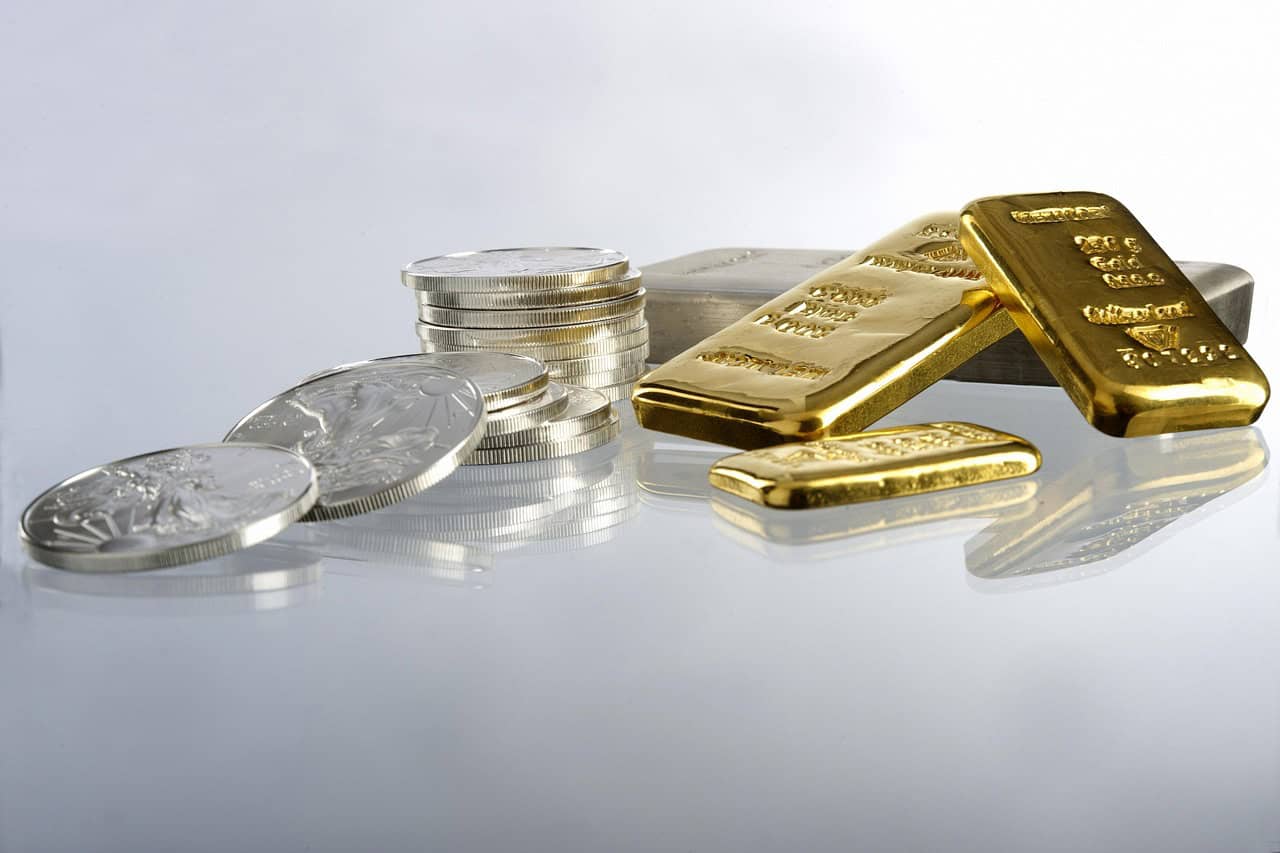 Silver costs a fraction of the price of gold on a per ounce basis, and that lower price point makes it simpler for newcomers to buy whole ounces and feel they have meaningful exposure. Because smaller amounts buy more metal, the psychology of holding tangible weight matters to many buyers who want to feel connected to their holdings.
The cost gap also means silver can act as a more flexible way to scale exposure up or down without big jumps in capital required. For people seeking a metal that offers visible ownership and easier entry, silver is an accessible option.
Volatility and Opportunity Windows
Silver has a history of wider price swings than some other safe haven metals, and that movement creates both risk and opportunity for traders and long term buyers. Periods of strong volatility often come with news driven spikes or drops that reward those who plan positions with care and patience.
Buying during dips and holding through cycles can yield outsized returns when fundamentals reassert and demand recovers, but timing matters and emotional discipline is key. For active investors who like high beta exposure inside a larger plan, silver provides the kind of momentum and reversal potential that makes markets interesting.
Physical Ownership Logistics and Storage
Owning coins and bars means dealing with storage choices, verification steps and sometimes insurance, all of which add to the total cost of ownership beyond the spot price paid. Vault services and home safes both work and the decision often comes down to personal preference for accessibility versus anonymity and cost.
When moving or selling physical metal, provenance and condition influence price realization, so good record keeping and careful handling serve holders well. Buyers who accept these trade offs gain the psychological benefit of tangible metal plus control over their holdings.
Practical Steps for New Buyers
Start with basic research on spot pricing, premiums and reputable dealers to avoid overpaying on initial purchases and to learn common market terms and measures. Decide whether the goal is short term trading or long term holding, and pick a match of instruments and storage that fits that goal rather than chasing every headline.
Keep position size modest relative to overall wealth so the small metal stake can act as ballast without dictating financial comfort. Over time, routine review of allocation and attention to cost of storage and transaction fees keeps metal ownership tidy and aligned with personal aims.