

Modern plumbing services shape how households and businesses use water and manage waste. Technicians now blend time tested skills with sensors, monitoring and careful materials selection to cut waste and lower bills.
From faster leak repair to systems that recycle grey water for irrigation, the field is moving toward more mindful practices. These changes help cities meet supply pressures while keeping daily life comfortable and routine.
Water Efficient Fixtures And Retrofits
Upgrading taps, toilets and showerheads to low flow models yields measurable savings and keeps performance where people expect it. Some fixtures use air mixing to reduce water volume without a weak feel, so a shower can still feel satisfying while using far less.
Retrofit kits are often simple to install and pay back in lower bills within a season or two, a neat example of small actions adding up. When a community adopts these fixtures broadly, the drop in demand can be large compared with the old baseline.
Smart Leak Detection And Rapid Repair
Sensors placed at key junctions spot minute changes in flow and flag a problem long before a puddle becomes a flood. Algorithms look for patterns that match known fault types and then alert a service team, which can act quickly to stop waste and limit damage.
The cost of prompt repair is usually tiny compared with the loss from a long term leak and the disruption that follows, so speed matters. Detecting a tiny drip early is like nipping a small problem in the bud before it grows into a major headache.
Greywater Recycling And Rainwater Harvesting Integration
Systems that collect shower and laundry rinse water for garden use can cut potable demand for irrigation and reduce runoff into storm drains. Rainwater tanks hold a local supply that can feed toilets or washing machines when regulations allow, taking pressure off centralized sources after a heavy storm.
Proper filters and modest treatment steps make reuse safe for many non potable tasks, and installers tailor setups to the building size and occupant habits. When designers add a reuse loop from the start, plumbing runs and controls are simpler, which saves money and makes maintenance easier.
Hot Water Management And High Efficiency Systems
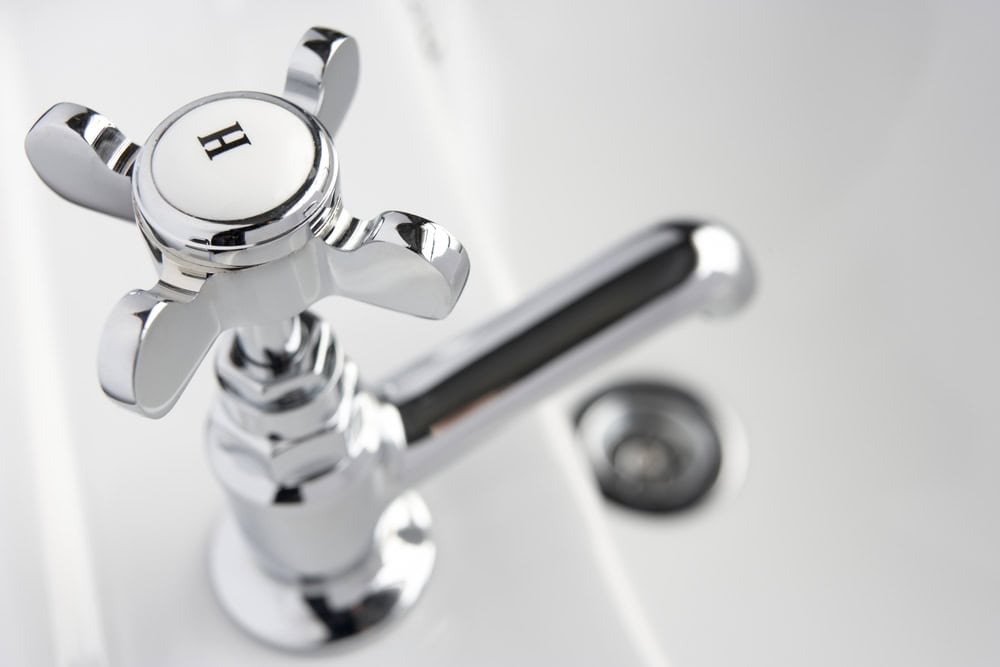 A large share of home water use goes to heating, so smarter hot water systems save both water and energy at the same time. Tankless units that deliver hot water on demand reduce standby loss, and compact recirculation controls cut long waits at the tap without running pumps constantly.
Insulation and pipe routing that shorten the distance from heater to fixture speed delivery and avoid wasted cold water down the drain. Small changes in timing and control logic often translate into gallons kept in the tank rather than sent away.
Pipe Material Choices And Long Term Durability
Selecting the right pipe material affects longevity, leak rates and the need for future repairs so choices matter from the outset. Corrosion resistant options resist pinhole leaks and reduce the need for invasive repairs that can waste water during the fix phase.
Proper joint techniques and attention to thermal expansion keep connections tight over decades and lower the chance of surprise failures. Good material choices are an investment that pays out in lower water loss and fewer service calls over time.
Data Driven Maintenance And Predictive Service
Routine checks guided by flow reports and simple trend charts let crews target the places most likely to fail next rather than running full system sweeps blindly.
Predictive alerts based on small shifts in use patterns allow planning a single repair visit instead of multiple callbacks, which cuts travel and repair time.
Homeowners who get clear, plain reports often change habits that had been costing water without much thought, a case of awareness changing behavior. Making the invisible visible brings small habits into view and that can add up to large savings.
Policy Incentives And Community Outreach
When local rules reward water saving through rebates or quicker permitting for efficient systems, uptake rises rapidly and social norms move along with policy. Outreach programs that pair hands on workshops with easy rebates reach more people than messages alone and help practical skills spread.
Schools, utilities and trade groups that run joint efforts tend to create a more level playing field, where small businesses can compete by offering proven services rather than only low price. Getting neighbors to try a new fixture or approach often follows seeing a familiar face report good results, a simple domino effect.
Training And Workforce Development For Sustainable Practice
Technicians taught both old craft skills and new monitoring tools deliver better outcomes than those trained in only one era of practice, and these blended capabilities are widely seen as core qualities of a professional plumber in today’s sustainability focused industry.
Apprenticeship models that mix classroom study with field time build judgment about when to repair and when to replace, which saves materials and avoids wasteful over servicing.
Soft skills like clear client communication matter as much as technical chops because simple user habits can erase much of the benefit of a technical upgrade if they are not aligned. A well trained crew makes sure a water saving plan is usable day to day, not just clever on paper.