

A tired patio can drag down the value of an outdoor area and leave you longing for a fresh spot to relax and entertain. Small changes can have a big effect, and with a clear plan you can update surfaces, seating, and plants without breaking the bank.
This article lays out practical steps that balance design sense with hands on tips so you feel ready to act. You will find advice that moves from planning through maintenance while keeping the process manageable.
Assess Your Space
Start by walking the area and taking notes about size, slope, and how sun and shade play across the day. Sketch a quick plan and mark where doors, steps, and utilities sit so you do not forget access points or drains.
Think about how you want the space to function, whether for quiet mornings, easy meals, or lively gatherings. Small details such as an awkward corner or a view that needs hiding can shape smart choices.
Set A Budget
Be frank about what you can spend and build a list of priorities that match that figure. Separate big ticket items from quick wins so you can choose where to invest most of your cash, time, and energy.
Allow a modest reserve for surprises that show up during work on floors or foundations. A clear budget makes it easier to pick materials and decide when to hire help.
Design Style And Flow
Pick a style that complements the exterior of the house and your own tastes so the space feels connected and personal. Think about how people will move through the area and place seating and tables to create natural routes and conversation pockets.
Use repeating colors or materials to tie disparate elements together and avoid a cluttered look. A consistent thread keeps the space cohesive even when pieces come from different sources.
Flooring Options
Hard surfaces set the tone and affect maintenance, cost, and comfort underfoot so choose with care. Concrete and pavers are durable choices that handle heavy use while wood decking offers warmth and a classic vibe for softer living.
Consider modular options like tiles that are easy to replace if repairs are needed later on. Think about traction for wet days and how the surface will age over time.
Furniture And Layout
Select furniture that fits the scale of your patio to avoid an overcrowded or underused feel, and test seating for comfort before buying. Mix seating types so you can host a solo coffee or a larger dinner without reconfiguring constantly.
Use rugs and planters to define zones without building permanent walls and keep pathway widths clear for easy movement. Quality pieces last longer and often pay off through reduced replacement costs.
Shade And Shelter
Shade changes how long you linger outdoors and which activities feel comfortable during peak sun hours. Options range from umbrellas and pergolas to tensile canopies that are easy to install or remove as seasons shift.
Homeowners looking for stylish upgrades often explore patio and patio cover designs for new homes to create outdoor spaces that feel both functional and inviting throughout the year.
Consider temporary covers that store away when not needed and more permanent structures for year round comfort. A bit of shelter can turn a fair weather space into one used through more months.
Lighting
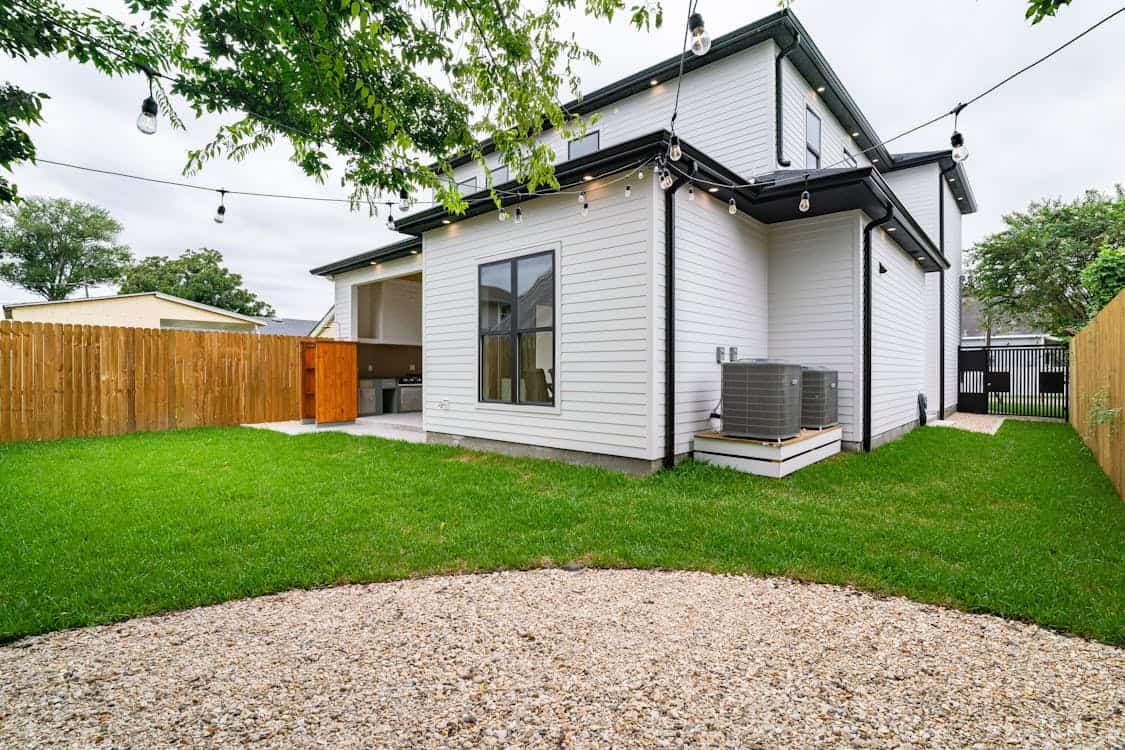 Good lighting extends the useful hours of a patio and sets a mood that can be bright and practical or soft and inviting. Layer lights at different heights with fixtures at ground level, table level, and overhead to create depth and reduce harsh glare.
Solar fixtures are easy to place and cut power bills while low voltage wiring supports more stable performance for steady use. Thoughtful lighting can transform an evening under the stars into a memorable time.
Plants And Greenery
Plants soften hard edges, add scent and sound, and bring life to patios, so use containers or beds that match your maintenance appetite. Choose hardy species for your climate and shift seasonal pots to keep the view interesting without much fuss.
Group pots for impact and easy watering when you create clusters that read like a single planting. Vines and tall planters can add privacy in a few short seasons.
Textiles And Accessories
Cushions, rugs, and throws warm a space quickly and let you change color and texture without major expense. Pick outdoor rated fabrics that resist fading and wick away moisture to stay fresh through many uses.
Small accessories like trays, lanterns, and bowls add personality and help with service when guests arrive. The right accents are the icing on the cake that pull a seating area together.
Color And Paint Choices
Color choices affect mood and perceived size so choose a palette that suits how you want to feel in the space. Lighter paints and stains can open a small patio while deeper hues create a cozy, sheltered feel for intimate evenings.
Use durable exterior paints and sealers on wood and masonry to protect surfaces from weather and wear. A fresh coat on walls or railings can give the whole area a much needed lift.
Maintenance And Care
Create a simple routine that keeps surfaces clean and systems working to avoid large repairs down the line, and treat stains early to prevent long term damage. Keep sealers and finishes up to date on wood and stone to slow wear from sun and rain and check fasteners and joints during seasonal shifts.
Watering schedules and pruning plans help planted areas stay healthy without turning into a burden. A little attention now saves money and time later.
DIY Or Hire Pros
Take on straightforward tasks such as painting, planting, and arranging furniture if you enjoy hands on work and seek savings. For structural changes, heavy lifts, or electrical and plumbing tasks it makes sense to hire licensed tradespeople who carry proper insurance and can meet local codes.
Weigh time, skill, and the value of your weekends against the cost of outside help before you make a call. The right choice for one person can be very different for another, and there is no single rule that fits every project.