

Scroll through social media for long enough and the pitch is everywhere: get your teeth done in Bali or Bangkok, save thousands, come home with a holiday tan and a brand-new smile. The headline savings are real. The full story is more complicated.
Dental tourism has become a genuine industry, and for some procedures the numbers can stack up. But the advertised price is the start of the calculation, not the end of it.
Why the Savings Look So Tempting
The price gaps are not imaginary. A single dental implant that might cost several thousand dollars in Australia can be advertised at a fraction of that overseas, and veneers can look similarly discounted per tooth.
Behind the appeal sits a real problem: dentistry is expensive in Australia and largely excluded from Medicare, and around half of Australians have no private dental cover. For someone facing a five-figure treatment plan, a flight to Southeast Asia can feel like the only affordable option.
Social media has poured fuel on this, turning cosmetic dental work into aspirational content and making the overseas option feel normal, even glamorous.
None of that is to say every overseas clinic is unsafe. Some meet high standards. The catch is that, from an Instagram feed, the excellent clinics and the risky ones can look almost identical.
The Costs That Do Not Show Up in the Ad
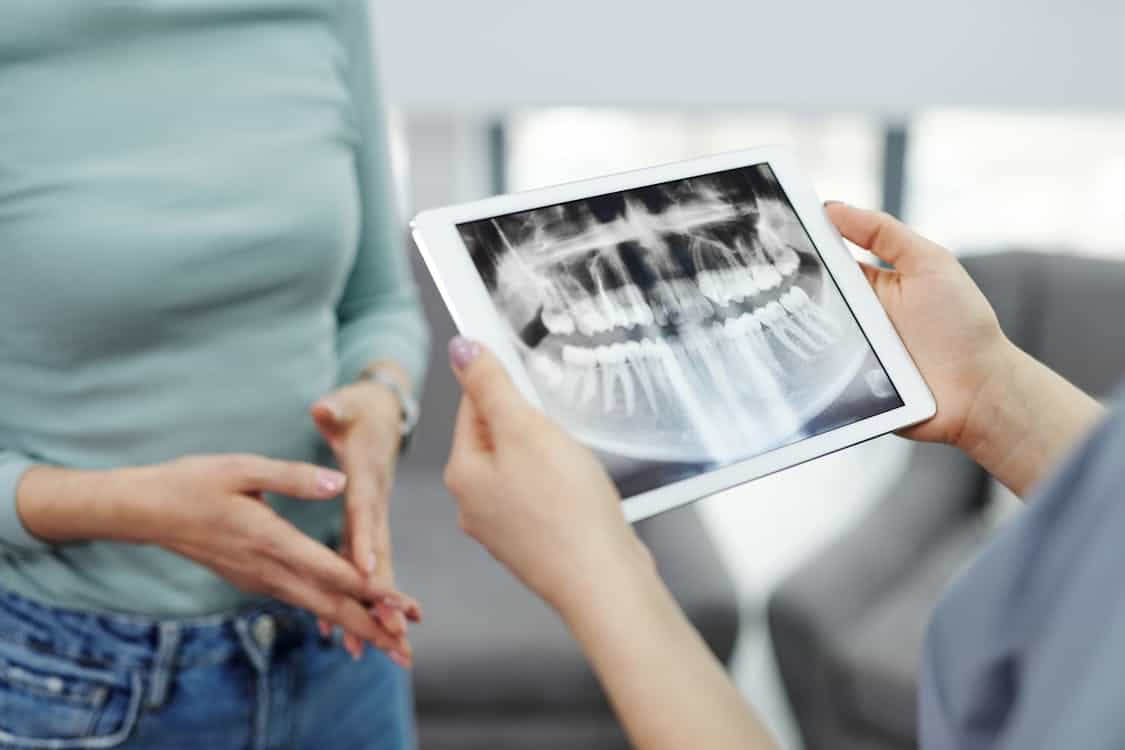 Once you add flights, accommodation, meals, time off work and travel insurance, a chunk of the headline saving disappears, especially for a single tooth where the procedure gap is smaller.
The bigger risk is clinical. One finding cited widely in the profession comes from the Australian Dental Journal, which reported that 47 per cent of Australians who had implant treatment overseas required corrective work within five years, at an average additional cost of around $4,800 per patient.
That is the number that undoes the maths. If nearly half of a category of treatment needs fixing, and fixing it at home costs thousands more, the original saving can evaporate entirely, and then some.
There are practical complications too. If an overseas clinic used an unbranded implant system, matching components may not be available in Australia, and there is generally no consumer-law recourse against a provider in another country.
Weighing It Up Sensibly
The honest answer is that dental tourism is neither a scam nor a no-brainer. It is a decision that depends heavily on the procedure, the specific clinic, and how complications would be handled.
The case is weakest for single, smaller treatments, where travel costs erode the saving, and for anyone with health conditions that raise complication risk. It is also weak for anything needing multiple staged visits over months, which a holiday window cannot accommodate.
Before booking flights, the sober first step is to get an accurate local quote, because the savings figures floating around online are often based on the highest Australian prices rather than what a treatment actually costs nearby. A consultation at The Smile Designer in Preston or any local practice gives a real number to compare against, including any health-fund rebate, rather than a worst-case headline.
A new smile is a long-term investment, and continuity of care matters when something needs adjusting years later. The cheapest quote up front is not always the cheapest outcome once the whole picture, complications included, is on the table.