

Across Texas a wave of roof damage claims has risen with the shift to storm season and intense weather events. Homeowners and insurers are grappling with hail pummeling shingles, strong gusts peeling off granules, and coastal surges that lift roofing material from frames.
Local patterns vary by region and microclimate but the common thread is that roofs are taking a beating at a faster clip than in past years. When it rains it pours for many property owners and the fallout shows up in claim numbers and repair queues.
Houston
Houston has long been a crossroads for heavy rain and severe storms and the claim volume there reflects that reality. Many roofs fail after repeated exposure to driving wind and large hail that strips protective layers and allows water to work its way in.
Urban growth has also placed many older units close to newer builds that channel wind in unpredictable ways and stress roof edges. Insurers say claims spike after hurricane season and homeowners face both long wait times and a scramble for reliable contractors.
Dallas
Dallas sits in a corridor that receives frequent hail events and roofs reflect the battering from hard, round stones that dent metal and fracture shingle tabs. The nature of hail damage is often subtle at first with granule loss that accelerates wear and makes leaks more likely later on.
Local roofs are also affected by sudden temperature swings that expand and contract materials and loosen seals around vents and chimneys. Repair shops in the area report a steady drumbeat of inspections that turn into replacement projects when patching will not restore adequate protection.
San Antonio
San Antonio sees a blend of wind driven storms and occasional hail that together make roofs a frontline worry for property owners. Clay tile roofs common in some neighborhoods can crack under impact and then allow moisture to percolate into decking below.
Insurance desks note that many claims arrive from suburban and semi rural areas where trees nearby add another risk when limbs or whole trees come down. Contractors warn that deferred maintenance in mild seasons leaves panes and flashing vulnerable when the next storm arrives.
Austin
Austin experiences storms that can go from benign to brutal in a matter of hours and roofs often bear the brunt of that fickle behavior. The mix of older homes with historic materials and newer builds with modern systems means a wide range of failure modes, from loose flashing to lifted underlayment.
Hail is a frequent culprit in many parts of the city and can shorten roof life by stripping protective granules and exposing asphalt beneath. Many inspectors point out that asphalt roofing is suspectible to UV degredation, especially after repeated summers of intense Texas heat and prolonged sun exposure.
The repair market in Austin is competitive but quality varies and many homeowners find themselves learning that cheap fixes rarely last.
Fort Worth
Fort Worth sees frequent storm tracks pass through and the roofing landscape there shows a steady stream of claims tied to high winds and hard precipitation. Metal roofs take a pounding in some zones with seams and fasteners that loosen under repeated stress.
Shingle systems face granule erosion which clouds curb appeal and reduces the water shedding ability of the roof. Local insurance adjusters are busy, and roofers encourage a proactive approach to regular inspection to catch wear before a storm turns it into a claim.
Corpus Christi
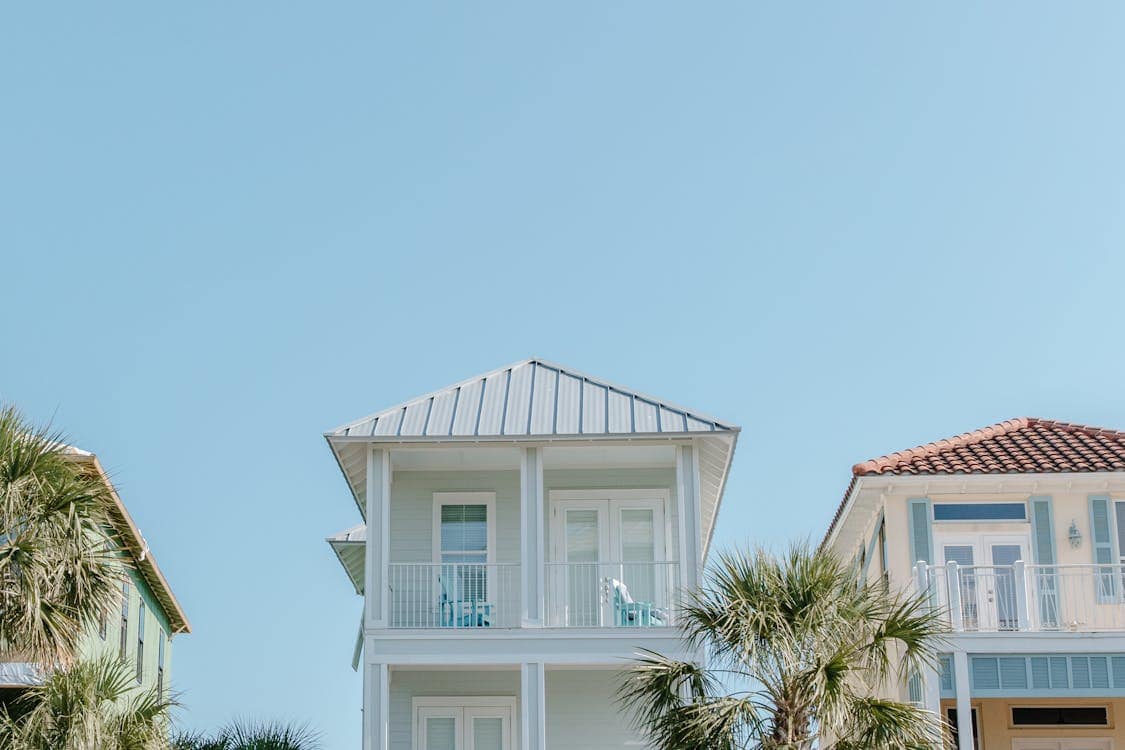 Corpus Christi endures coastal hazards and the combination of wind driven rain and salt air accelerates roof degradation along the shoreline. Storm surge and sustained winds during tropical events lift loose sections and expose sheathing to relentless moisture that encourages rot.
Coastal building codes have improved but older stock still remains in many neighborhoods and presents a steady pipeline of claim activity. Repair timelines can stretch out when supply lines slow after a major storm and sourcing matching materials becomes a headache.
Lubbock
Lubbock and the surrounding Panhandle are notorious for frequent hail storms that repeat through spring and into summer and create a rhythm of recurring claims. Flat and low slope roofs on commercial buildings show punctures or seam failures that then evolve into larger leaks under heavy rain.
Residential shingle systems often display widespread bruising that might not leak right away but shortens the roof life considerably. Local roofers stress that a timely, honest inspection is the best way to know if a patch will hold or if a full replacement is the smarter choice.
Amarillo
Amarillo experiences a weather cocktail that can include wind driven hail and sudden temperature swings and those forces act like salt in a wound for roofing materials. Single ply roofs and asphalt shingles alike suffer from hard impacts and the repetitive freeze and thaw cycles that cause brittle cracking.
Because properties there may go a long time without heavy precipitation, damage can be missed until the next active season returns and reveals long hidden problems. Insurers note a jump in claims when storm clusters arrive and homeowners are often surprised at how quickly old damage can become urgent.
McAllen
McAllen in the Rio Grande Valley sees a pattern of tropical moisture and storms that create unique pressures on roofing systems and claim numbers have risen with active seasons. Lightweight roofs often used in the region can lift under gusts and water infiltration follows where seams and fasteners fail.
The high humidity environment also speeds material breakdown and promotes mold in roof assemblies that have been breached. Local construction firms report steady demand for both emergency tarps and full re roofs as residents seek to restore protection before the next rain arrives.